The cooking oil is used on a regular basis is something many people don’t think about. You could grab the bottle that is nearest and believe that it will do everything. Oils react differently based on the temperature, flavor or the composition of fats. Understanding the differences between oils is a great way to prepare better food at home.
When choosing between coconut oil, and avocado oil for cooking it is not made based on news or trends. It is crucial to think about how each oil performs when being used in actual cooking.
Why choosing the right oil is more crucial than you believe
In cooking, oil performs three important functions. It transfers heat from the oven to food. Second, it contributes flavour and flavour, whether it is subtle or not. It also affects the nutritional value, depending on the kind of fat as well as its stability at temperatures that are high.
The oil begins to degrade in the event of overheating. This can reduce the nutritional value of food and produce unpleasant flavors. Utilizing the wrong oil to accomplish the right task can lead to food that smells flat, bitter, or greasy regardless of whether the recipe is delicious.
When using olive oil to cook it is recommended to do so with a plan
Olive oil is being studied and is widely used in cooking. Made by pressing olives, it’s a great source of monounsaturated fats. It also comes with antioxidants such as polyphenols and vitamin E.
Extra virgin olive oils possess a fruity and peppery taste. This makes olive oil for cooking ideal for salad dressings, marinades, roasted vegetables, light sautéing, and finishing dishes. In these situations this way, the flavor is a great complement to the food and does not get lost.
The smoke point of extra virgin olive oils is much lower than most people realize. To cook at higher temperatures refined olive oil is more suitable. It has a milder flavour and a greater heat tolerance. Thus, it is best suited for cooking at high temperatures, baking and roasting.
Used correctly, olive oil offers both taste and health benefits. However, it’s most effective when the temperature is maintained.
Coconut Oil A Stable, Specific Oil
Coconut oil behaves differently from olive oils. Coconut oil is very durable due to its high content of saturated fat. Coconut oil is commonly used for cooking due to its great stability.
Refined Coconut Oil has a subtle taste and is suitable for baking or frying for cooking where stability of heat is needed. Unrefined coconut oils retain the distinctive aroma and flavor of coconut. It may enhance the flavor of certain foods like desserts, curries, and stir-fries. However, it could also be problematic when used in dishes that contain savoury ingredients.
Coconut oil shouldn’t be consumed as a standard for a regular routine. It is preferential to only use it for occasional. It’s a winner in high heat but does not have the same antioxidants as avocado or olive oil.
Avocado oil is a heat-friendly and neutral
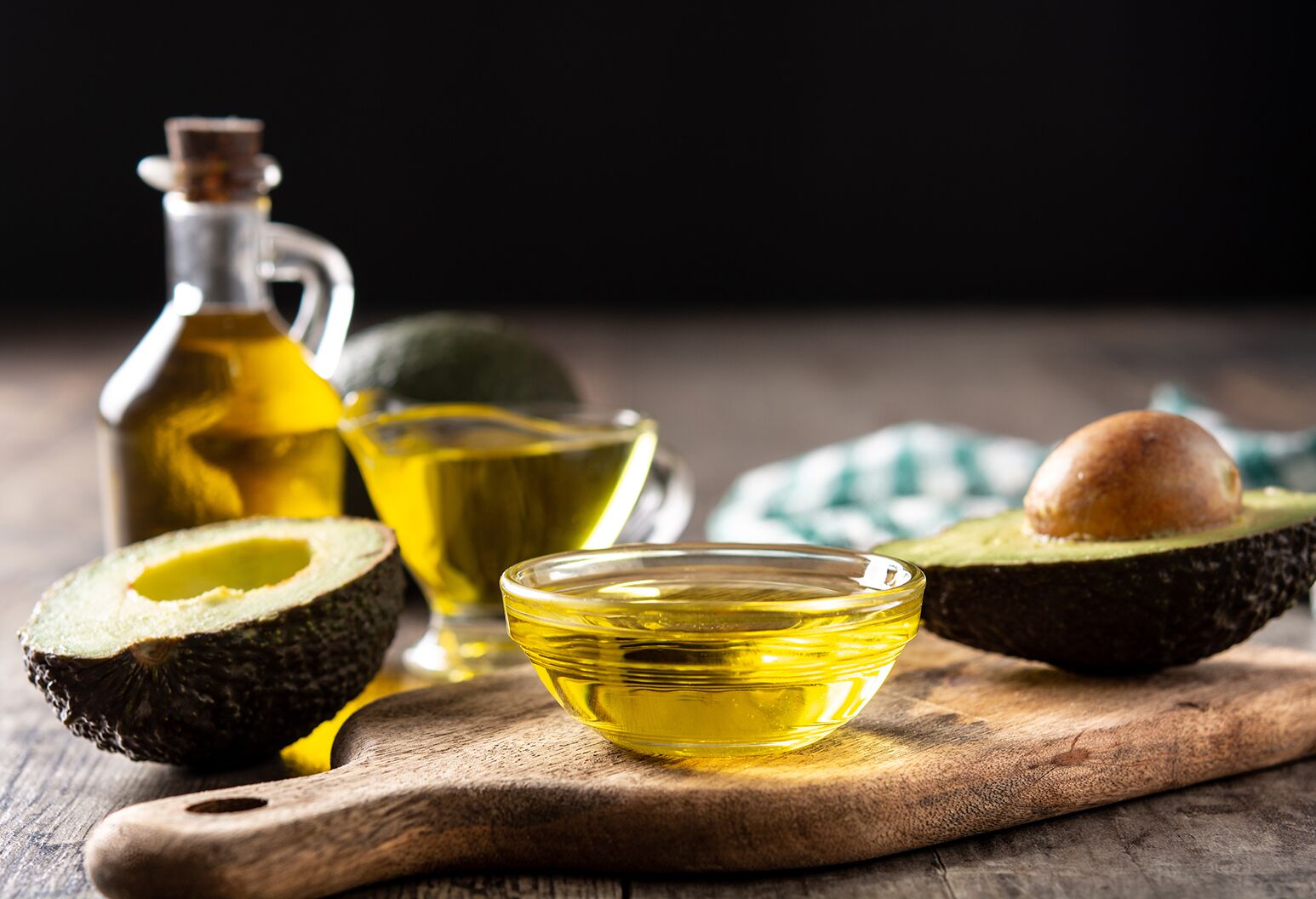
Avocado oil has become popular due to the way it handles heat. Avocado oil has the highest smoke point among oils that are typically utilized for cooking. It is ideal for roasting or searing food, grilling and frying.
Avocado oil contains a high quantity of monounsaturated fats as well as vitamin E. This means it is more comparable to coconut oil when it comes to benefits for health than olive oil. The mild, neutral taste is an excellent choice if you’re looking to keep the oil from affecting the flavor of your food.
Avocado oil is often the safest option when cooking at high temperatures and making sure to choose a healthy fat.
How to Utilize Oils smartly
There isn’t an oil that is perfect for every application. It is recommended to have multiple options and to use each of them.
Avocado oil is the best choice for cooking at high temperatures. Avocado oil is ideal for high-heat cooking. Coconut oil is a fantastic option to keep your heat stable, or if the distinctive flavor is what you’re looking for.
If you are aware of these differences by understanding these differences, you will be able to cook more efficiently and with less guesswork.
Better Cooking Starts With More Basic Ingredients
A good meal doesn’t require expensive ingredients or complicated techniques. It’s typically about small, logical choices which are made regularly.
Knowing when to use avocado, coconut, or olive oil when cooking can increase your enjoyment and texture as well as overall confidence. When you are aware of how oils work, everything else becomes simpler and cooking can be made more enjoyable.