Businesses depend heavily on connected devices to collect data, automate processes and operate more efficiently. The management of a fleet of devices spread across multiple locations, especially when they expand, can be overwhelming. The operation of devices requires constant attention, expertise in technology and security compliance. This is a requirement for software updates monitors of the system and performance optimization. A structured managed service can transform complexity into clarity.
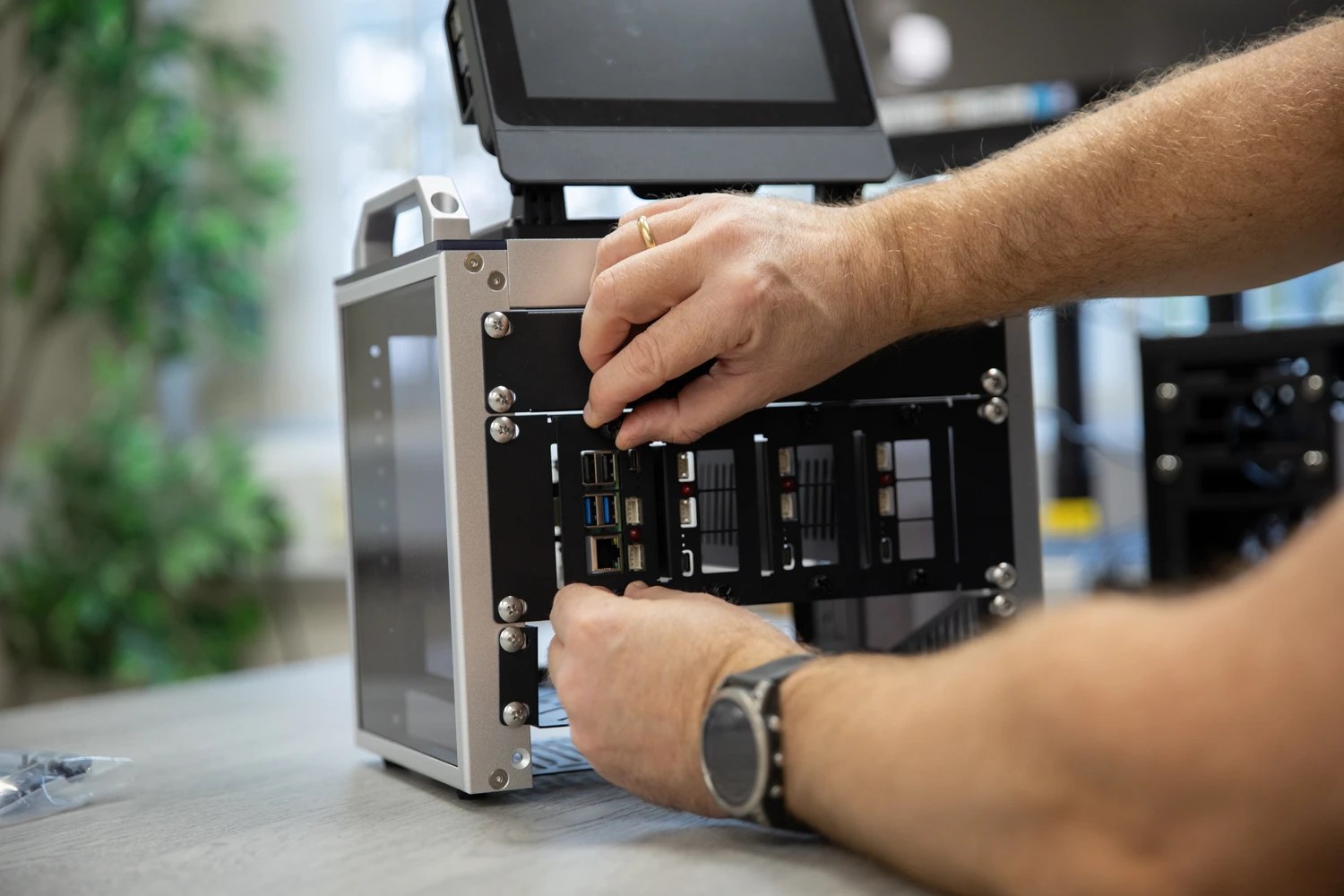
Companies often start seeking Raspberry devices management software that is free alternatives to lower upfront costs. Although free software can offer basic monitoring as well as remote access, they seldom provide the comprehensive lifecycle management needed for enterprise-level deployments. Businesses require more than manual control and dashboards as device networks grow. They need an integrated system that handles security, provisioning monitoring of performance, compliance reporting and tracking compliance automatically.
Internal staff is relieved of the burden of daily operations through a completely managed infrastructure. The business can instead concentrate on growth and development, instead of repairing and troubleshooting equipment and systems. Each device is configured and implemented within a framework that provides stability and consistency. This operating model doesn’t just reduce downtime, it additionally eliminates security vulnerabilities that can be caused by faulty update or incorrect configurations.
A Partnership Model that is Scalable
The most successful IoT ecosystems are not built in the isolation of. They require an intelligent and strategic approach to planning and continuous optimization. An experienced Raspberry Pi partner with experience in designing will ensure that the hardware, software and system’s design are set up to meet the operational objectives. Instead of treating deployment as an one-time task the partnership provides an enduring foundation that evolves as the company grows.
Every managed service engagement is customised to meet the specific needs of each client’s needs, including the integration of hardware platforms management, hardware integration, and technical assistance within the same operating agreement. The unified structure facilitates communication and removes any confusion between vendors. The company benefits from named technical contacts, service level agreements, and transparent reporting that keeps stakeholders up-to-date, without adding the burden of administration.
Configuration and provisioning processes are designed to guarantee uniformity across locations. Before deployment, every unit is tested and assembled. It is then securely registered to ensure consistency in performance. Continuous telemetry provides engineers with real-time information about the health of the device and stability. This helps them prevent system failures and detect problems before they grow.
Operational Excellence through Continuous Management
The key to stability in an IoT environment is proactive maintenance instead of reactive troubleshooting. Patching and updates that are properly managed will ensure operating systems and applications remain secure and stable. Updates are rigorously tested prior to deployment to avoid disruptions and making sure that uptime is maintained across multiple networks.
Compliance requirements are also integrated into the process of operation. If organizations have to meet ISO standards, SOC2 frameworks, or internal policies on governance, the reporting processes are aligned with regulations. This structured oversight eases stress during audits and increases security measures.
Managed services can be even more useful when they incorporate performance optimization and lifecycle management. Regular system reviews reveal possibilities for hardware upgrades energy efficiency improvement, and load balancing. The infrastructure isn’t just one-time option, but a strategic one that grows with organizational growth.
Cloud and Edge Technologies seamlessly integrated
Modern deployments require tight integration of edge hardware into cloud ecosystems. Expert Azure IoT consultant helps companies securely connect their devices to cloud platforms, as well as optimizing analytics workflows and automation capabilities. This integration of physical infrastructure and cloud-based intelligence makes it possible to make smarter choices and better operational agility.
Professional IoT consulting also ensures that monitoring platforms, security protocols, and data governance frameworks work cohesively. Engineers continuously monitor the performance of systems and react to any anomalies before they disrupt operations. Options for support that are scalable allow companies to grow confidently as they are aware of the technical knowledge needed to support their device fleet grows.
The objective is to make systems that are sophisticated feel as if they were effortless. Scaler Pi helps make edge technology more accessible through combining hardware knowledge with cloud-based innovation. It provides a system that is optimized where devices are able to work together. Data, operations and data perform seamlessly.
A Smarter Method to Manage Device Infrastructure
Managed services create one point of responsibility for hardware, design, monitoring, and support. Flexible pricing models help reduce budgeting unexpected costs, while automated updates and continual monitoring eliminate operational risks. Businesses enjoy peace of mind with the assurance that their infrastructures are secure, reliable and continuously performing to their best.
As IoT ecosystems expand in size, the need to have reliable operational frameworks becomes crucial. Managed services will ensure that the devices’ networks are secure, efficient and future-ready. This allows companies to create new products and services without being held back by infrastructure management.